Monday, June 13, 2011

The Blues

“Maybe I should have saved
Those leftover dreams
Funny but here's that rainy day”

Sammy Davis Jr.


I am blaming it on the weather. The oppressive humidity is surely putting a damper on my spirit. It’s difficult to be happy when I am all sweaty. The smallest things can set me off to the deeper end of depression. Ants on the kitchen counter; my favorite t-shirt still in the laundry basket; ice trays without ice…. Grrrrr. How do you deal with such negative vibes?

Some go shopping— an expensive cure;
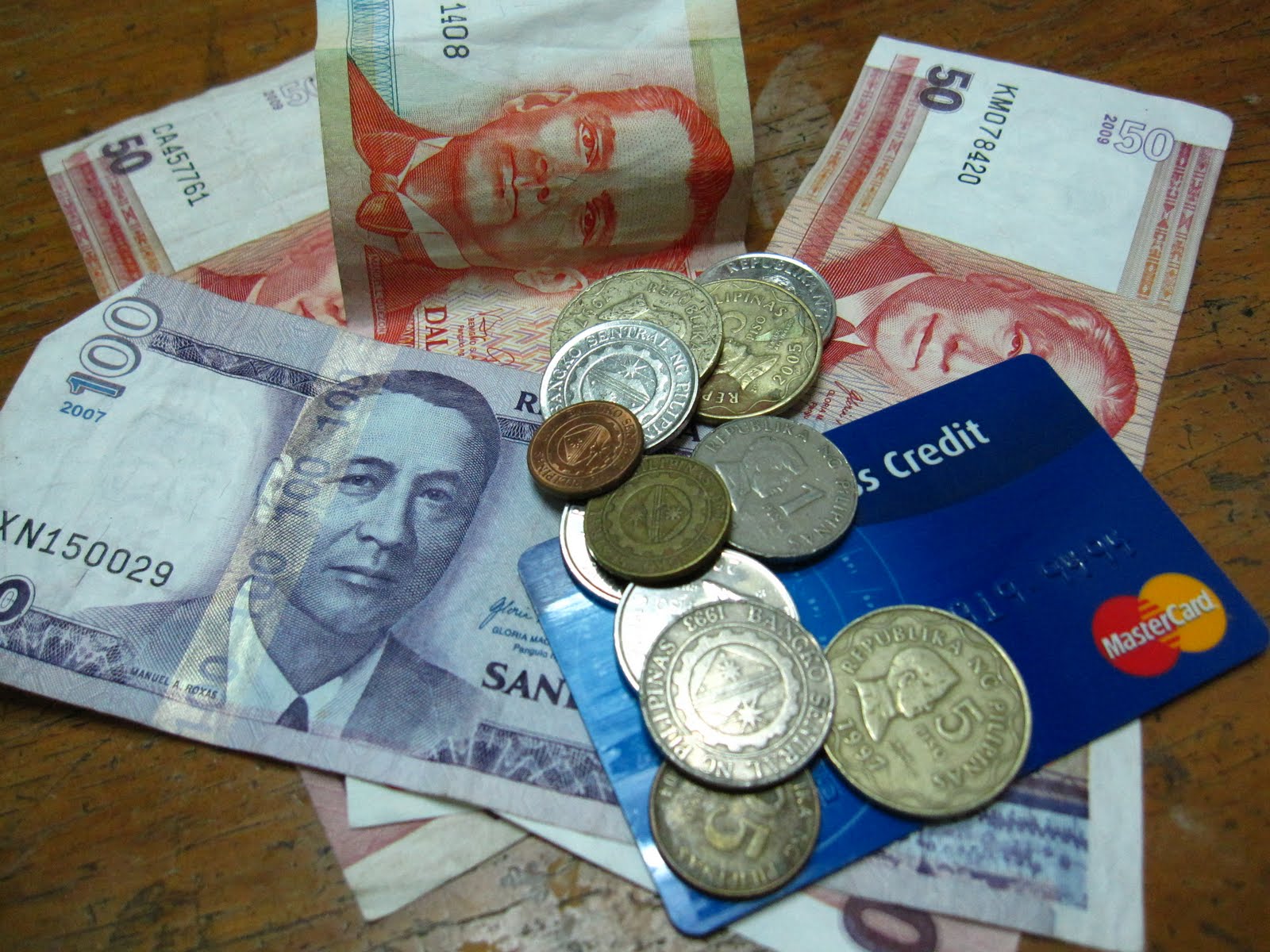


some go back to bed— I did that already but it was almost noon;


some have cheese with their whine… I mean wine (this will make me hotter still);


Well, in my case, I decided to clean. Yup! Putting things in order seems to distract me from destructive thoughts.

First stop, my closet.


An eye-opener! I did not realize I had stuff I haven’t worn in three years. I remember reading somewhere that if you haven’t worn it for one year, then it’s definitely not a keeper.

There was so much to give away—high waist denim pants, corporate sports jackets, very corporate looking blouses, bags, shoes, and belts.


Just paring down my closet sure took a load of my mind.
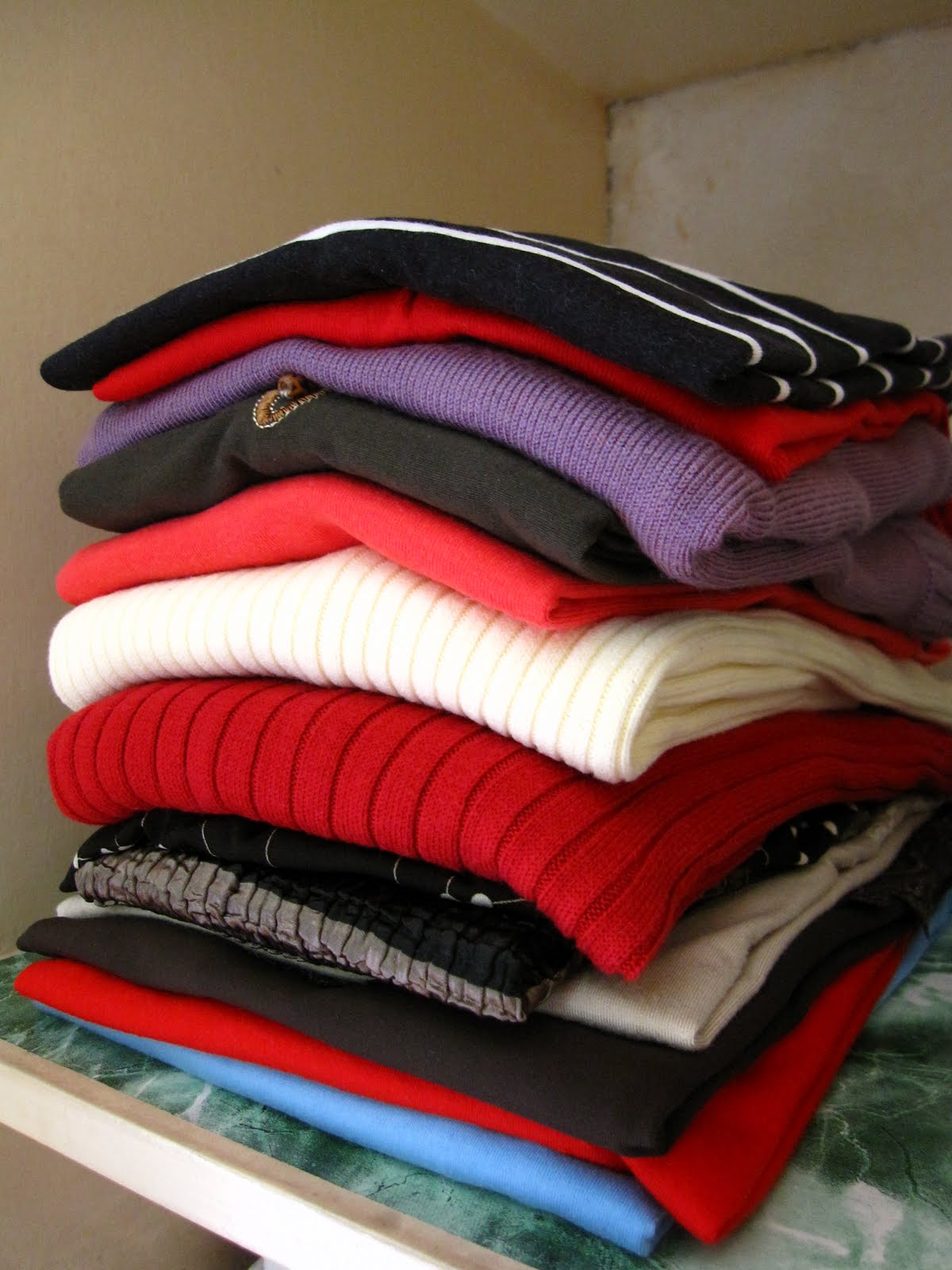


I felt lighter and cooler.

Next on the attack list were my little trinket boxes: earrings, pins and the like.


Again, many of which I have not put on for a long while. I could not part with them—just yet.


I had a smile on my face as I remember how sassy I felt when I wore them. At last there is order in the boxes and this set my mood still a notch higher.

I was on a roll now. Opening up and cleaning out more drawers was like letting the sunshine through. Into the thrush heap went the orange lipstick; the expired mascara; and the too sweet smelling lotion. It was so liberating to see my drawers freed of these dust gatherers.

So why was I blue about again? I can’t remember. All I know is I have so much to be grateful for that it’s ridiculous to be blue. And that lunch was on the table and I had worked up a huge appetite.

★ ☆ ☺ ☻ ★ ☆ ☺ ☻ ★ ☆ ☺ ☻ ★ ☆ ☺ ☻ ★ ☆ ☺ ☻

Did I mention that before I started on my closet, I went through my pantry? I was searching for a fix of the sweet kind. I needed to get the skip back in my stride again. Alas, no chocolate bars or caramel candies. No cream cookies or even a stick of gum. But there was a can of fruit cocktail, a box of cream, a bottle of green kaong and another bottle of red nata de coco. All left overs from Christmas. What could be better than chilled fruit salad for dessert after lunch to remember Christmas on a humid day in June!


You will need:
1 can fruit cocktail ( or about 3 cups of chopped fresh fruits: apples, pears, pineapple, grapes and maybe a banana— add a tablespoon of lemon so as to keep the fruits from turning brown)
1 box or can of cream
1 can of condensed milk (or add sugar to your desired level of sweetness)
A bottle each of kaong (sugar palm fruit) and nata de coco (coconut gel)
Chopped nuts (optional)

Drain the kaong and the nata de coco in a colander. Add the fruit cocktail in the colander as well. When well drained, transfer to a bowl. Add the cream and about half the can of condensed milk (or sugar). Carefully stir to mix well together. Transfer to a container and top with chopped nuts. Chill in the freezer until firm. Serve and feel your blues fly away.

Wednesday, June 8, 2011

The 3 Rs (returning, reviewing, renewing)

My husband and I as empty nesters. My two chicadees have flown away and are now busy with their own lives.


Occasionally there are shared meals and even short vacations together but as time goes by, these get-togethers are getting less frequent.


Although there are times when I wonder where they are and what they are up to, I am not sad for long. As a matter of fact, I must confess I consider this phase in my life as an opportunity for growth in.. (now don’t laugh or sneer) my spirituality. With no more kids to s-mother and no longer tied to a desk, there are less distractions (or excuses).

I am re-acquainting myself with my faith. I must admit that this is quite challenging to understand the WORD. It’s like going up the same mountain I constantly see while going through my life-- but this time, I choose to climb, to seek and hopefully reach the “peak”. There are so many A-ha! moments in this new found journey but also confusion and doubt at some crossroads.


But isn’t that what faith is all about….

So there! Although the “territory” is not new, I move through it with eager steps and awe at the revelations along the way. I don’t think I will ever “get it” 100% but you never know…. : )


༰༺༻༰༺༻༰༺༻༰༺༻༰༺༻༰༺༻༰༺༻༰༺༻༰༺༻༰༺༻༰༺༻༰༺༻༰༺༻༰༺༻༰


Faith is like “palitao”—you start off at the bottom knowing nothing but with a burning desire to understand and live out your faith’s teaching, you ascend to the top. (Enough said before lightening strikes me.)


Palitao (Filipino delicacy)

2 cups glutinous rice flour (I find that the product made in Vietnam is of good quality)
¾ to 1 cup water
Freshly Grated coconut
Sugar
Toasted sesame seeds

Add some sesame seeds to a hot pan. Stir until lightly brown in color. When cool, add sugar about triple the quantity of sesame seeds. (ex: 1T seeds; 3 T sugar) Set aside. (although some prefer to have their palitao with sugar and minus the sesame seeds)

Place your flour in a bowl and slowly add half of the water. Stir and continue to add more water until you get the consistency of soft clay dough (too soft and you won’t be able to handle it; too hard and you end up with something very chewy and not so delicate). For easy handling in the next step, I find that cooling the mixture off in the freezer for about 20-30 minutes works.

Pour water into a pot (enough to go up half way of the pot). Bring to a steady boil.

Scope up about a tablespoon of the flour mixture and roll into a ball. Then gently flatten the ball into a thin disk or could be oval in shape (like a tongue). Drop it into the boiling water. Continue shaping more dough and dropping into the boiling water. Be careful not to overcrowd your pot.

The palitao is cooked once it floats to the top. Scope with a slotted ladle and lay on a tray of grated coconut. Turn the palitao over to coat the other side with more coconut. Transfer to a plate and sprinkle the sugar-sesame seed mixture.

This rice dessert will surely bring your taste buds to a higher level of deliciousness.

Note:
Some markets sell the rice mixture (known as galapong) and you need only shape it before dropping into boiling water. But I find that the quality is inferior than when you prepare the rice dough from scratch .

Thursday, May 26, 2011

Climbing Mountains

Haitian proverb "beyond mountains there are mountains."

Many times, I would find myself looking at distant mountains and wonder…. what lies beyond those mountains?


This curiosity has been inside me since I was a child wanting to be like the birds that flew overhead;or, climbing trees to see what was beyond our fence. I would like to think maybe it is this curiosity that fuels my desire to travel and to climb mountains.

Once I reach the top, I am humbled by the vastness of what lies below and beyond.


I am grateful to a gracious God for the chance to savor the moment.


I am blessed beyond words.


I am at peace with myself and the world.


The shortness of breathe, the ache in my legs, and the sweat on my brow only intensifies how alive I feel.


It’s as simple as that. And as long as my feet can continue to walk up a steep incline and still have the ability to balance myself while stepping from one stone to the next, there will always be a mountain to climb.

∞Ω.∞Ω ∞Ω ∞Ω ∞Ω ∞Ω ∞Ω ∞Ω ∞Ω ∞Ω ∞

Nothing quite hits the spot that a nice long drink of water after reaching the top. And to see one thru as one treks back down, take along this make-ahead snack. They are light weight, healthy and will give ones spirit the needed boast.

Pinoy Granola Bars (adaptation of Alton Brown’s recipe)


• 2 c old-fashioned rolled oats
• ½ c roasted peanuts or sunflower seeds
• 1 c casuy
• ½ c wheat germ (may be omitted; just increase your oats by 1/2 c)
• ½ c honey
• ¼ c brown sugar
• 1 T unsalted butter, plus extra for pan
• 2 teaspoons vanilla extract
• 1/2 teaspoon salt (may be omitted)
• 182 grams of chopped dried fruit, any combination of dried mango, banana chips, nangka, pineapple etc. (you will need a kitchen scale)

Directions
1. Butter a 9 by 9-inch glass baking dish and set aside. Preheat the oven to 350 degrees F.
2. Spread the oats, nuts, and wheat germ (if using) onto a half-sheet pan. Place in the oven and toast for 15 minutes, stirring occasionally.
3. In the meantime, combine the honey, brown sugar, butter, extract and salt in a medium saucepan and place over medium heat. Cook until the brown sugar has completely dissolved.
4. Once the oat mixture is done, remove it from the oven and reduce the heat to 300 degrees F.
5. Immediately add the oat mixture to the liquid mixture, add the dried fruit, and stir to combine.
6. Turn mixture out into the prepared baking dish and press down, evenly distributing the mixture in the dish and place in the oven to bake for 25 minutes.
7. Remove from the oven and allow to cool completely. Cut into squares and store in an airtight container for up to a week.

Wednesday, May 25, 2011

Where do the raindrops go?

Now where could she have gone?
I looked for her in the bedroom
and I called out loud from the kitchen door.
I thought I saw her hiding
behind my mother's aparador.

Where are you sister dear?
The rain has stopped pouring
and there're lots we could be doing.
The wet lawn beacons our feet be bare
to feel the mud ooze through toes it dares.

Finally from behind me
My sister’s laughter tingles with glee.
She said she had gone where the raindrops go.
Falling from heaven she told me so
Every ripple in the puddle, a happy entry into fairyland.


The onset of the rainy season has inspired me to put into rhyme an incident told to me by my sisters (6th and 7th in line-- Family planning was unheard of then).


When they were about 7 & 8 years old, M, the older of the two, related that she would hide from V whenever it rained hard. M would not come out of her hiding place no matter how loud V would call for her. When the rain stopped, M would suddenly reappear. When asked by V where she had been, M would then bring V to a puddle that had resulted from the rain.


M would explain to the wide-eyed V that the ripple produced by the rain in the puddle was a signal that the raindrop had entered an enchanted fairyland. M continues that she had just come back from this fairyland. So whenever V calls out to her, Maria is not around to hear her.

Maria and Vanessa now hold important jobs that they seriously pursue with intense passion. But I can assure you that this does not mean they have forgotten where the raindrops go.

♪ ♫ ♪ ♫ ♪ ♪ ♫ ♫ ♪ ♫ ♪ ♪ ♫ ♪ ♫ ♪ ♪ ♫ ♪ ♫ ♪ ♫

The following signature recipes of my sisters are real and family taste-tested. One bite and you will be transported to fairyland.

M’s No-fuss Zuchini Bread


You will need:
3 C Flour
1 tsp salt, baking soda, baking powder
3 tsps cinnamon
3 eggs
1 C canola oil
2 1/4 C white sugar
3 tsp vanilla extract
2 C grated zucchini

Mix wet ingredients (except the zucchini) and then add the dry ingredients. Add in zucchini.

Grease and flour two 8 x 4 pans. Preheat oven to 325. Bake for 40-60 minutes. Stick fork thru center and if it comes out clean then it is ready. Cool for twenty minutes.


V’s Luxurious Pancakes (adoptation of Chef Wolfgang's recipe)


You will need:
2 large eggs
1/2 cup whipping cream
11/2 cup buttermilk
1/2 cup unsalted butter, melted
1 teaspoon vanilla
1 1/2 cup unbleached AP flour
1/4 cup sugar
2 teaspoon baking powder
1 teaspoon baking soda
1/8 teaspoon salt

In a small bowl, whisk together the eggs, buttermilk, whipping cream and melted butter, vanilla.
In a large bowl, sift together the flour, sugar, baking powder, and salt. Make a well in the center, pour the egg-milk mixture into the well, and whisk just enough to incorporate into the dry ingredients.
Heat the griddle and butter lightly. Over medium heat, using a 1/4-cup measure, pour the batter onto the griddle. When each pancake is golden brown on one side, and small bubbles appear on the surface, turn with a wide spatula and brown the other side. As the pancakes are cooked, transfer to a tray lined with a clean towel and keep warm in a low oven.

Note: Makes 12 3 1/2-inch (petite) pancakes

Presentation:

Arrange 3 or 4 pancakes on a warm plate. Serve with warmed pure maple syrup or fruit syrup. Garnish with a few slices of seasonal fruit and serve immediately. To make fruit syrup, combine 1 part fruit (blueberries, sliced strawberries, or any other berry, sliced peaches, or plums) with 3 parts maple syrup and a little grated orange rind. The fruit can be pureed, if desired. Serve warm.

Thursday, May 19, 2011

My Grandma's Farm

“What’s the name of your carabao Lola?”, I asked as I spied the young carabao she pulled by a rope that went through its nose.

“Elvis,” my grandma answered.


I remember asking that question when I was a 12 years old. At that time, my sisters and I were vacationing in the farm of my grandparents up in the mountains of Leyte. It was the farm where my mother grew up on with nine other siblings-- not counting several half-brothers and sisters. But that makes for another story.

When you come from the city, all animals are considered pets and should have a name—hence the question. Coming from the city, the farm was both scary and exciting all at once. Scary for fear that a cobra could be lurking behind our back as we used the outhouse (outdoor toilet);


exciting because there was always something to discover—turtles in a nearby stream and the cows that come late in the afternoon to lick salt from our hands.


As we were growing up, my father insisted we conversed in English. And since my grandmother hardly had any formal education, she tried to respond to our questions as best as she could. But what she lacked in proficiency in the English language she more than made up for it with her knowledge about what really mattered in life: how to raise a large family on the meager earnings of a poor farm, how to deal with a fair amount of hardships and tragedies; and eventually, later in life, how to manage a community as barangay captain.


She was a quiet person but not timid. She was firm with her decisions but tempered them with tenderness. She was the type of person whose one-liners were meaningful and most often humorous.

As we grew up, my mother made it a point to bring us to her parent’s farm every summer. There were always new paths to walk through the fields.


These visits continued well into our high school years but, over the years, sadly became less and less as my siblings and I found it difficult to visit— either due to work or migration to foreign countries.

Now that I have time on my hands, I look forward to visiting my grandmother’s farm on a regular basis. Only recently, I was sitting at the terrace of my grandmother’s house trading stories with my mother and her siblings—aunts and uncles well into their 70s.


There is always so much happy reminiscing to be done and something funny to laugh about. And at night, a cacophony of sounds made by the crickets, the giant geckos, cicadas and owls is music to my city ears.


By the way, Elvis grew up to be a strong carabao. In the following summer when we returned for our annual visit, I rode on its back. And boy was I surprised to learn that Elvis had given birth to a fine calf.


¤~ ¤~ ¤~ ¤~ ¤~ ¤~ ¤~ ¤~ ¤~ ¤~ ¤~ ¤~ ¤~ ¤~ ¤~ ¤~

The following is a dish which my grandmother use to prepare when we would come to visit. When I asked her the name, she said that she called it “Rhapsody”. And rightly named so as one taste and you’re sure to hear a rhapsody.

Rhapsody

1 live native chicken
Blood of native chicken
3 cloves garlic, chopped
1 med-size onion, chopped
Coconut milk from a grated coconut
1 stalk lemon grass, tied up in a neat bundle
Some sliced ginger (about a thumb-size)
1 sili espada (green chili-- optional)
A bunch of young bago leaves( edible leaves of Gnetum gnemon Linn) or leaves of a sili (pepper) plant or a cup of malonggay leaves
Salt and pepper to taste

Step 1: The native chicken must go thru cleansing for about 1 week. It is caged and not allowed to roam around. It is feed some corn and given water.
The chicken is then slaughtered and its blood collected in a saucer. The chicken is then dressed (funny that when you dress a chicken, you remove its feathers). Finally the chicken is cut up into serving pieces and set aside. In the province, nothing goes to waste as the head and the feet are cleaned and included in the stew but this is optional.


Step 2: In a bowl, place the meat of a grated coconut. Add the blood and about a cup of warm water. Mix and squeeze the grated coconut. The resulting milk will be a nice shade of pink. Pour the milk thru a sieve. Set aside.


Step 3: Saute the garlic, onion and ginger in a little oil (1/2- 1 T). Add the chicken pieces, 2 cups of water and the lemon grass bundle. Bring to a boil then lower flame so that the stew simmers until the chicken is very tender.


Step 4: Add the coconut milk, the sili espada (optional) and the bago or sili leaves or malongay/kamonggay leaves. Continue to simmer for about 3-5 minutes.

Step 5. Season with some salt and pepper. Remove the lemon grass bundle and serve piping hot with lots of rice. Prepare for a rhapsody of flavors.


Note:
Bago- is a medium size tree with edible young leaves. Grown mostly in backyards in the provinces.

Thursday, May 12, 2011

I am Mother: I am Daughter: I am Friend

Like most families, Holy Week means vacationing together to far off places, grandparents’ farms, to the beaches or holing up together at home with the occasional visit to the parish church for traditional rituals.

This year was a bit different. My daughter and I were the only ones that ventured out together as my son and hubby begged off for one reason or another. Undaunted but the lack of male support (driver, security guard, porter, as well as audience for our jokes and stories), my daughter and I forged on for a mother-daughter bonding time at a secluded beach house.

We sat and gazed at the same horizon;


we communed with nature and the resident dog;


and at night, we shared one bed and one blanket… well, one bed.


In those three days together our roles as mother and daughter interchanged effortlessly. One moment I was “mommy”—taking care of her; and then a reversal of roles, she would take care of me. Best of all, I would like to think that our time together meant becoming better friends.

One-on-ones are important as it affords family members the chance to move up to the next level of intimacy and, of friendship.

I hope to do the same with my busy corporate warrior son soon. Lunch on the weekend would be a start.

♥☻♥☻♥☻♥☻♥☻♥☻♥☻♥☻♥☻♥☻♥☻♥☻

One thing I liked about the reversal of roles with my daughter was that I got a chance to enjoy her cooking. And what a delicious revelation it was.

Pasta with Spanish Sardines, Olives and Capers
250 grams of cooked spaghetti
½ contents of Bottled Spanish Sardines—drained (may be hot or mild—your preference)
½ c green olives, whole
¼ c capers, drained
3 cloves chopped garlic
½ onion, chopped
3-4 T Olive oil

Fry the sardines in the heated olive oil until it becomes firm. Set aside.
In the same pan, sauté the garlic until just golden but not brown. Toss in the olives and capers. Heat through for about 3 minutes.
Add the cooked pasta and mix well.
Divide into serving portions and top with sardines.

Saturday, April 16, 2011

Retired, Re-used, Rekindled

People warned me of the pitfalls of early retirement: boredom, financial difficulties and the absence of purpose.

Pre-retirement days meant there were schedules to follow: the daily commute, meetings, deadlines, performance discussions and the never ending events to manage. Twenty-four hours did not seem enough.

At present, I admit that there are plenty of days with no specific agenda on my plate but there is plenty to keep me occupied: prayer and reflection, weeding my little garden, going thru my collection of recipes, calling my mother, answering the crossword puzzle (lots of time needed)… and the list goes on. Regrettably the days go by just as fast.

Pre-retirement days meant not paying attention to the cost of chicken or whatever took my fancy at the supermarket. Buying came easy with no second thought about budgets to follow. Money was not an issue.

Now-a-days, I keep to a budget, check out chicken prices and think twice before I buy a trinket. (Do I REALLY need another one?) No need to get another pair of office pumps with killer heels or “borloloys” to jazz up my look in the kitchen. Thankfully, with prudent use, I hope that money will not be an issue.

In the past, my purpose was to contribute to keeping the corporate alive. At present, I have found joy in using skills honed during corporate life as a volunteer in my parish scholarship committee. The scholarship program is open to children of a nearby squatter community.

Only recently, I got involved in a Lenten Recollection organized by said committee for these children. Just like corporate days, the group plunged into the planning and the execution of said event. It was just like the “old days”—program flow preparation, set-up of venue, logistical checklists, and even a de-briefing afterwards. There were three priests that facilitated the event where 83 kids showed up. Most of all, the assessment made by these children indicated that they had a good time and learned a lot. The little we did was greatly appreciated. I could not help compare this with the many complaints I used to hear from participants in more lavish corporate events. How ironic indeed.

Can I sustain this way of life? I’ll be sure to let you know.

* > ** > ** > ** > ** > ** > ** > ** > ** > *

Preparing for an event, big or small, is like cooking a dish. You need to know what, how, when and even why you will cook a particular dish. You have to ensure you have all your logistical requirements: ingredients, cooking utensils, and work force. Lastly, you have to be open to feed-back in order to assess whether it is a dish worth improving or serving again.

The following recipe will give you a good appreciation for the need to be organized:

Chinese Lumpia


Ingredients:
¼ c cubed shrimps
1 c grated carrot
2 c grated coconut heart of palm (ubod)
2 c grated tokwa (firm tofu)
1 large onion, minced
4-6 cloves garlic, minced
1 c julienned cabbage
1 egg, scrambled, cooked and chopped
Native lettuce leaves, washed and dried
Fried sotanghon
Peanuts (pounded)
Brown sugar
Celantro leaves
Lumpia Wrapper

Optional:
Chopped celery
Chopped cucumber
Bean Sprouts

Sauce:
½ t Fish sauce (patis)
2 t Soy sauce (toyo)
1 T Brown sugar
1 c water
1 t Corn starch
In a small pan, bring to simmer the water, patis, toyo, and sugar. In a cup, mix together the corn starch with 1 tablespoon of water. Add this to the simmering mixture. Stir until mixture has thicken. Adjust seasoning to your liking. Pour into a small bowl.

Bottle of hot sauce

Procedure:
1) First Saute
a) Divide the onions and garlic into three portions.
b) Saute 1 portion of the onion and garlic with:
i) Carrot
ii) Ubod
iii) Cabbage
c) Set Aside.


2) Second Saute
a) Saute 1 portion of the onion and garlic with the tokwa.
b) Set aside.


3) Third Saute
a) Saute 1 portion of the onion and garlic with the shrimp.
b) Set aside.


4) Mix all of the sauted ingredients and the chopped scrambled egg in a big pot.
a) Season with salt, pepper, fish sauce, and soy sauce.
b) Set Aside.


5) Set-up
a) Place a lumpia wrapper on a plate
b) Put a lettuce leaf in the center
c) Pile two to three tablespoon of your filling on top of the leaf
d) Garnish with pounded peanuts, sugar, cilantro leaves and crispy
fried noodle and other optional garnishings.
e) Roll up the lumpia, make sure you tack in the corners to seal.
f) You might want to use two wrappers to ensure that the lumpia does
not burst.


6) Condiments
a) Prepared lumpia sauce
b) Hot sauce


So go ahead, organize a lumpia party and have your guests involved in the preparation. Not only will it be fun but the final assessment will surely be: Delicious!!

Note: proportion of ingredients may be adjusted to fit your preference. If you like togue more than the other veggies, go ahead and make yourself happy.

Tuesday, April 5, 2011

Write-on Baby!

While cleaning out my closet one warm evening, I came across a box containing old letters dating back to my elementary school days; home-made greeting cards-- some with lopsided flowers and crayola hearts and some liberally sprinkled with silver dust; and, written bits and pieces of lives lived. There were letters from friends with stories of travel and announcements of milestones in their lives. Friends who vowed to always stay in touch. I pause and wondered where they are now.


There were three diaries of different years-- all started at different months of each year; all ending abruptly; all written in my small, tight and heavy penmanship. I read once more my impressions of the people and events that passed thru my young life then. The more I read, the more I remembered.

And there were letters I wrote but never sent. Letters filled with intense youthful angst -- hate, anger, disappointments. Reading them now, I am glad I never sent them out. Time does heal all wounds (or in some cases, dulls the pain) and what seemed to be so important then becomes so petty in the present light.


Amusingly there were also little scraps of paper with scribbled to-dos; a list of items to take on a trip; and even a crumpled note that definitely was passed around during a boring class. There was a famous quote on torn rule pad and a short poem I wrote about a cat (!).

With modern technology, writing or chronicling has evolved. But whatever the chosen mode, the value of putting thought to paper or ,now-a-days,to blog stays the same.

It is proof of ones existence.

==================


One notable find from that box is the following recipe given to me by a former office mate, C. C used to share her homemade lunch at the office. At one time, she brought bangus sardines. It was so good that I asked her repeatedly for the recipe. She finally gave it to me before migrating to Canada. I have not heard from her since. I tried the recipe out last weekend and it was as delicious as I remembered it to be. (Thanks C!)

Bangus Spanish-Style Sardines

1 k bangus
1/2 c olive oil or corn oil
1 c water
4 T sugar
1 t peppercorn
2 t salt
1 small crushed garlic clove
3 bay leaves
5 sili labuyo
5 small tomatoes (seeded and sliced)
3 slices of ginger (as big as 1-peso coins)
1 green or red bell pepper (sliced into thick strips)
1 small carrot (sliced into rounds)
pickles for garnish


If you are lucky, have the fish vendor clean and scale your bangus. It would be ideal if the fish is about 6 -8 inches long.


At home, wash your fish, cut off their heads and set aside to drain if they are small in size or if large,cut into 3-4 pieces.


Measure out all the ingredients.


Place the bangus pieces into a pressure cooker. Arrange the tomatoes, bay leaves, ginger slices, sili labuyo and sliced bell pepper in the pot.


Add the oil, water and seasoning (salt, sugar, peppercorn).

Seal and pressure cook for 20 minutes. After 20 minutes, cool the cooker down based on pressure cooking instructions. Open and turn each bangus slice over. This will enable the flavors better penetration. At this point, I suggest that you taste the resulting broth and adjust seasoning accordingly. Seal the cooker and resume cooking for about 25-30 minutes. Cook 45 minutes longer if bangus are large.

Once done, cool the cooker and carefully open the lid. Let the sardines cool down. Since they are very hot, they will tend to crumble if transferred out of the pot. When the fish slices have been removed to a container, add the carrots into the pot with the remaining sauce and quickly bring to a boil. Do not over-cook as the purpose is to retain the crispiness of the carrot. Pour the sauce and carrots onto the sardines and garnish with some sliced pickles.


Note:
• You must have a pressure cooker to try out this recipe. This type of cooking quickly softens the bones of the fish.
• You must know how to use a pressure cooker. Explosions or accidents occur from opening the cooker without properly releasing all of the pressure.
• Add or decrease your sili labuyo depending on how hot you want your dish to be. As the sili I added were not crushed, the resulting dish was not at all hot.
• Best to double the recipe and use 2 kilos of bangus to make all that effort worthwhile.

Trust me, it will be worthwhile. I served the sardines to a Spanish priest and he thought it was good. That’s enough reason for me to do this again.